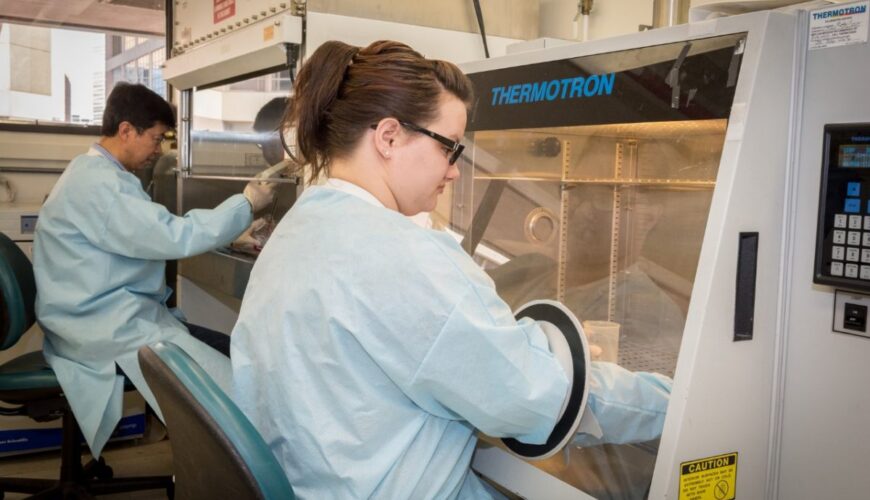
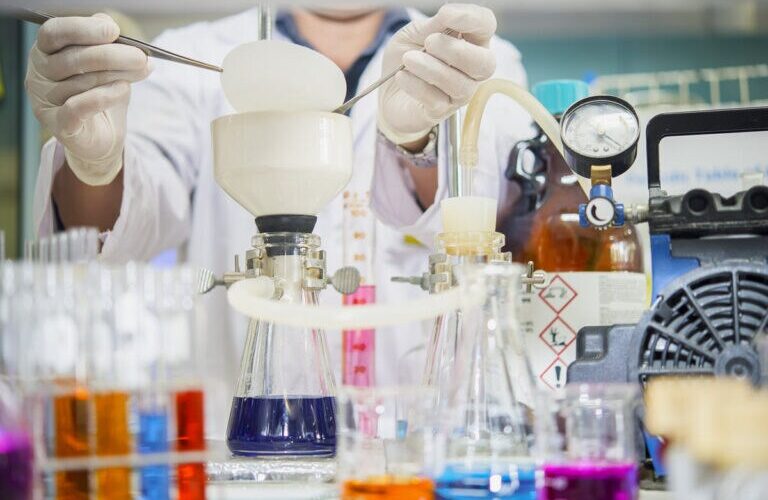
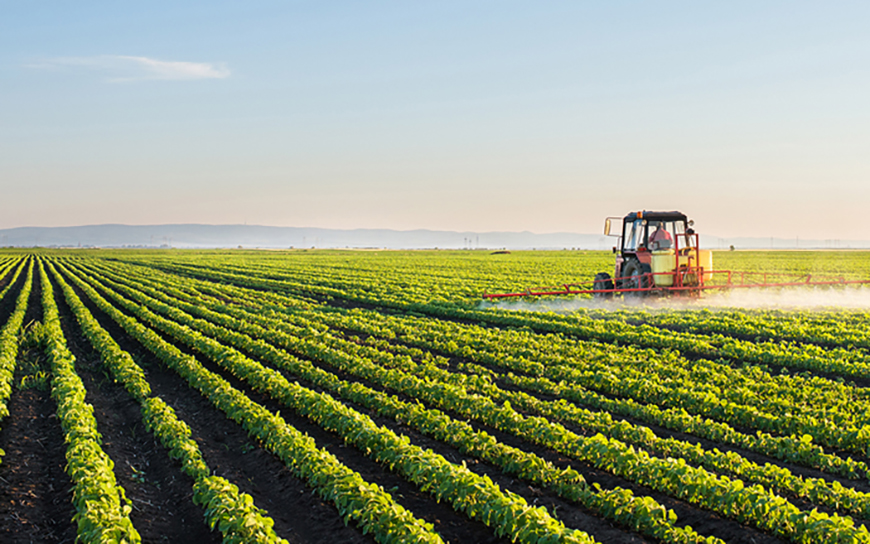
Genetic resources are the biological basis of global food security and directly or indirectly support human livelihoods through the food, medicine, animal feed, fibre, clothing, housing, energy and many other products and services they provide. They consist of the diversity of genetic material present in traditional varieties and modern plant stocks, as well as crop wild relatives and other natural plant species that It can be used now or in the future for food and agriculture.
Objective
Collecting and conserving plant genetic resources, from erosion and extinction.
Exchanging information concerning genetic resources with local and international gene banks.
Identifying the core collection of genetic resources that can be utilized in both public and private research and breeding programs.
Developing plans for a collection of genetic resources to ensure the safety of these resources and to provide the different breeding programs with the required genetic materials and relative information.
Characterization of the collected genetic resources.
To address the prevailing conditions of climate change for agricultural research and breeding towards achieving food security.
Strengthen the international cooperation in the field of genetic resources.
Enhancing public awareness of genetic resources maintenance to protect the national resources against erosion and to regulate the utilization of such resources.
Participating in exploration missions intended for collecting genetic resources from their native habitat.
Facilitating the exchange of genetic resources and implementation of the intellectual property legislation concerning national genetic resources.
Documenting the Egyptian genetic resources on the NGB database.
Activities
Seeds storage
In the NGB, two different forms of packing are used: plastic packing is used in both the active storage room (-5), as well as the temporary storage room (+5). while we are using specialized aluminum foil at the base storage room (-20) to preserve the samples in cold storage for an extended period.
Characterization
The description must be in the way that the breeder and the various breeding programs are benefited from; there are morphological traits with high hereditary ability that are important in breeding programs, and there are various other traits of high agricultural value that must also be recorded to characterise and identify those inputs and make full use of those genetic resources.
Notable: Characterization is carried out using international models UPOV- IPGRI.
Evaluation
It is the process of testing genetic resources by evaluating the important genetic traits carried by these germplasms that are affected by different degrees under 9 different environmental conditions such as resistance to pests and diseases or the quality of their seeds. Also, the assessment of all genetic resources for their tolerance to adverse conditions (such as tolerance to salinity – drought – heat) and vital stresses (such as: tolerance to disease, insect and pest infestation) in different regions.
Regeneration
Propagation is a major process and an integral part of the responsibility of any genebank that maintains traditional seeds. It is a process that increases the seeds (A) (B) 8 stored in the genebank and/or increases the viability of the seeds to equal or greater than the agreed minimum level. The sample is renewed if it no longer contains enough seeds for long-term storage (i.e. 1,500 seeds for self-pollinating species and 3,000 for out crossings) or when its viability falls below a specified minimum threshold (i.e., less than 85 percent of initial germination of stocked seeds). And if the demand for one of the registered samples is rare and its validity is impeccable, then the number of seeds can reach less than 1000 before renewal. Regeneration should be performed when viability drops below 85 percent of the original viability or when the amount of seed remaining is less than necessary for three cycles of the representative population of Bank-registered samples and the oldest original sample specimen should be used for regeneration of registered samples.
distribution
Gene banks aim to make available to users as many recorded samples as possible, including associated data. If stocks are depleted, samples should be multiplied to meet user demands as a matter of priority, and gene banks that maintain working collections should enhance the availability of genetic resources for uses including research, breeding, education, agriculture and reintroduction. At the international level, gene banks can be a source for providing supplies of wild origin PGR to countries that are setting up their own gene banks.
Seeds are distributed in compliance with national laws and relevant international treaties and agreements.
Submit seed samples with all relevant documents required by the recipient country
The time between receiving a seed request and sending, it is kept to a minimum
Staff
Prof. Dr. Soliman Abdelmaaboud Abdelmaaboud Arab +20 100 322 5345 Solimanngb@gmail.com
The majority of livestock integrates with crops in small holding that represent approximately 85%of its total population. the average farmer owns 1.02 buffalo cows, 0.53growing buffalo calves, 0.94 bovine cows, 0.51bovine calves, 1014 sheep 1.06 goat, number of different poultry of different species plus donkeyes and camels / or horses. The evolutionary forces of mutation, selective breeding, adaptation, isolation and genetic drift have created an enormous diversity of local populations. Livestock provide meat, milk, eggs, fibers, skins, manure for fertilizer and fuel, draught power for cultivation and transport, and a range of other products and services. Livestock biodiversity is essential to food and livelihood security, particularly in the developing world.
Animal production systems in Egypt
Semi intensive / intensive system (delta and Nile valley) mainly large ruminants, small ruminants, a number of different poultry of different species pluse donkeys and camel and / or horses.
Intensive system (poultry and dairy cattle).
Zaraba (around cities) dairy buffalo and goats.
Extensive system (Sinai, north western coastal zone, halaieb and shalatein mainly small ruminants and camels.
The states of breeds at risk
Population size of local cattle and buffalo breeds are quite stable and no indication that one of these breeds is at risk. Except Domiati cattle which could be at risk according to decrease of its population.
The major local breeds of sheep and goat do not seem at risk. The exception is zaribi breed which could be at risk as all available reports indicate deceasing of its population. The breeds of camel, horse, donkey, chicken, duck, goose, are not at risk.
Two local breeds of rabbits have already become extinct, Giza White and Baladi White and two more are endangered, Baladi Red and Baladi Black.
Main constraints facing establishment of national conservation program
Fragmented ownership of livestock.
Lack of recording of animal pedigrees / performance
Lack of applying uniform protocols for collection of germplasm and cryopreservation programs in each breed.
Lack of the accurate information about genetic characterization of our native breeds.
Lack of public understanding and awareness of the role and values of AnGR.
Lack of legislation and regulation affecting the maintenance of AnGR.
The main objective of the department
Genetic characterization of our native breeds.
Standardization of protocols for collection of germplasm, through well- defined and sound cryopreservation programs for each breed.
To rescue and increase the population of endangered breeds. (Red and Black rabbit and Zeraibi goats)
Establishing data base system for information on native breeds characterization.
This includes information on breeds population, description and qualifications.
Emphasis will be on traits related to meat quality, mothering ability and adaptation to harsh climate and poor environmental conditions.
Increasing the awareness of public for the importance of our rescue mission and to the necessity of maintaining these breeds as a gene pool for future use in rapidly changing world.
The magazine published by the Gene Bank.
Pamphlets published by Gene Bank.
Publication in the newspapers.
Publication in the agricultural magazine.
Current activity
Genetic characterization of Sohagi sheep, Barki Sheep and buffalo.
Cryopreservation studies for semen of chicken, Ducks, Turkey and Camel embryo.
Determining some genetic loci of productive traits in some indigenes chicken breeds using microsatellite markers.
4-National gene bank performing of project based on integration of genetic resources management in western desert communities including farm animal genetic resources (Genetic characterization for wild-type of cattle, sheep and goats) in four oases namely El-Kharga, El-Dakhla, El-Farafra and Siwa.
Achievements of Animal Genetic Resources Department
Genetic characterization of chicken breeds and development strains: Among Fayuomi breed (PP, GG and RR). Fayuomi breed Dandarawi breed Gimiza strain Inshas strain Doki-4 strain Golden Montazah strain Silver Montazah strain Mamorah strain Mandara strain Bahij strain Matrouh strain El-salam strain Bandarah strain Sinai strains
Determining some genetic loci of egg production traits in Fayoumi and Dandrawi chicken breeds using microsatellite markers (Ph.D. Thesis).
Variation and phylogeny studies of Egyptian River Buffalo by mitochondrial D-loop nucleotide sequences.
Semen Quality and Freezing of Sohagi Rams in Egypt
Staff
Prof. Dr. Khaled Roushdy Mohamed Mousa +20 114 331 7188 khromod@yahoo.com
Prof. Dr. Mohammed Ahmed El-sayed Hasan +20 109 966 1610 m.a.el_sayed@outlook.com
Dr. Alsayed Alsoudy Mohamed Mostafa +20 155 831 3399 alsayedalsoudy@gmail.com
Dr. Heba Abd EL-Wahab Mahmoud Assi +20 100 824 5305 Music.art723@gmail.com
The main objectives of the cytogenetics Laboratory are focused on the investigation of cytological disturbances and genetic disorders. These could be achieved through the study of:
Mitotic activity, frequency of micronuclei and the chromosomal aberrations in mitotic cell divisions as an indication of the adaptability to the Egyptian conditions in varieties, landraces and/or accessions
Meiotic irregularities, frequency of micronuclei and the chromosomal aberrations in meiotic cell divisions as an indication of the cytological instability in varieties, landraces and/or accessions. Moreover, to detect any existing association between the cytological and instabilities and agronomic characters.
Testing the pollen grain viability of different varieties, landraces and/or accessions.
Determination of chiasma frequency to test the recombination potential in varieties, landraces and/or accessions.
Investigate the chromosomal maps of wild plants, animals and landraces which can be utilized in the different breeding programs.
Study the different field and agronomic cytogenetically as related to agronomic and morphological characteristics to conclude the degree of genetic stability.
Chromosomes morphological characterization
From the karyotype analysis, the two homologues (a and b) of each chromosome pair were judged according to similarities in length of short arm, long arm and total lengths and centromeric index percentage.
Microscope examination, karyotyping and idiograming
Chromosomes examination was performed using a vertical fluorescence microscope (Leica DM2500) equipped with a cooled monochrome digital camera (Leica DFC340FX). Twenty cells with clearly observable and well spread were examined and photographed at 100 × magnification under oil immersion. Chromosome counting and karyotyping were performed using the automated karyotyping & FISH software processing (Leica CW4000) system. Idiograms were constructed from complete chromosomes which showed the maximum possible banding patterns in at least ten different metaphase plates.
Staff
Dr. Mona Ebrahim Abd El-Gawad +20 100 917 0469 monagenetist2012@gmail.com
Dr. Muhammad Ibrahim +20 100 695 1737 maibrahim30@icloud.com
chemical analysis Laboratory is one of the most important laboratories in the National genes Bank, the work based on the evaluation and characterization of plant genetic resources according to their chemical composition to know the importance of each genetic resource and to identify the active substances contained in it, also measuring it’s concentration by using the most accurate methods and the latest scientific equipment.
Strategy
Discuss and study the latest laboratory methods for chemical analysis used in the detection of chemical components and their application to genetic resources found in the National gene Bank.
Documentation of data and results obtained after comparing them with specialized scientific references.
Participate in the training courses for university students and new researchers to give them the necessary expertise in the field of chemical analysis and chemical classification of plant genetic resources
Objective
Determine of active substances in each plant genetic resource.
Evaluation and characterization of plant genetic resources according to their chemical composition.
Study the effect of the environment surrounding each genetic resource on the chemical composition and interpretation of the relationship between them.
Entering Data and results of the chemical analysis tests of each Plant Genetic Resource into the National gene Bank database as a reference to return to it at any time.
Provide all the information and experiences in the field of chemical analysis for all researchers and those interested in this area with the exchange of experiences between our laboratory and other laboratories specializing in this field.
The role of the chemical analysis laboratory
Knowing the chemical composition of each Plant Genetic Resource is the most important step to be taken in the process of classification and description. In this point lays the importance of chemical analysis laboratory where this role is the main point of our work.
By using the latest scientific methods and equipment The laboratory paint a picture of the estimated chemical composition of each genetic resource and describe of the differences in chemical composition between plant genetic resources and each other as the results of the relationship between the environment surrounding each resource and its chemical composition and the active substances it contains.
Staff
Prof. Dr. Abeer Ahmed Hamdy Elhalwagi abeerelhalwagi@gmail.com
Dr. Ali Hassan Ali Taha Anany ali.h_anany@yahoo.com
تُعد وحدة نظم المعلومات والتوثيق من الركائز الأساسية في بنك الجينات، حيث تضطلع بدور حيوي في تنظيم وإدارة البيانات المتعلقة بالموارد الوراثية النباتية. تهدف هذه الوحدة إلى ضمان جمع، توثيق، حفظ، وتحديث كافة المعلومات ذات الصلة بالأصول الوراثية النباتية، بما يشمل البيانات الجينية والمورفولوجية والبيئية والجغرافية، وكذلك معلومات الحفظ والصيانة والتوزيع. ومن خلال تطوير قواعد بيانات متكاملة وحديثة، تتيح الوحدة تتبع كل مادة وراثية منذ لحظة إدخالها إلى البنك وحتى استخدامها في أنشطة البحث أو الإكثار أو التوزيع. كما تعمل على ربط هذه البيانات بمعايير دولية مثل تلك المعتمدة من منظمة الفاو (FAO) ونظام المعلومات العالمي للموارد الوراثية النباتية (GENESYS)، مما يسهم في تعزيز الشفافية وتبادل المعلومات على المستوىين الوطني والدولي.
بالإضافة إلى ذلك، تسهم وحدة نظم المعلومات والتوثيق في تسهيل الوصول إلى الموارد الوراثية عبر منصات إلكترونية تفاعلية تتيح للباحثين وصناع القرار والمزارعين استكشاف التنوع الوراثي المتوفر، وتحليل البيانات باستخدام أدوات ذكية تدعم اتخاذ القرارات العلمية والزراعية. كما تلعب دورًا مهمًا في توثيق المعارف التقليدية المرتبطة بالاستخدامات الزراعية والطبية للنباتات المحلية، بما يضمن نقلها للأجيال القادمة وحمايتها من الاندثار. وتحرص الوحدة على مواكبة التطورات التقنية من خلال استخدام نظم إدارة قواعد البيانات المتقدمة، وتقنيات الذكاء الاصطناعي لتحليل البيانات وتوقع سلوك الأصول الوراثية تحت ظروف بيئية مختلفة، مما يعزز من كفاءة جهود الحفظ والتكيف مع التغيرات المناخية.
وباختصار، فإن وحدة نظم المعلومات والتوثيق تمثل العمود الفقري لعمليات الحفظ والاستخدام المستدام للموارد الوراثية النباتية، حيث تدمج بين التكنولوجيا والمعرفة لحماية ثرواتنا الوراثية، وضمان استدامتها كرافد أساسي للأمن الغذائي والسيادة الزراعية..
Staff
Dr. Waleed Maged Mohamed +20 111 198 1807 waleedmaged8@gmail.com
Herbarium is a museum collection of preserved NBG plant specimens and associated data. These specimens may be whole plants or plant parts: these will usually be in a dried form, mounted on a sheet, but depending upon the material may also be kept in alcohol or other preservatives. The specimens in herbarium are often used as reference material in describing plant taxa; some specimens may be types.
Importance of herbarium in NGB
Herbaria are essential for studying plant taxonomy, phylogenetic, geographic distributions, monitoring biodiversity, and identifying the flora of an area. Herbaria also preserve a historical record of change in vegetation over time, environmental scientists use such data to track changes in climate and human impact.
Preparing the herbarium specimens
Collection
The first step is to collect a plant’s genetic resources as complete as possible. A small herb always with root, tree or shrubs a branch with well-developed leaves, if possible, also with flowers or fruits, well do. The most convenient specimens to pick up are those which seem quite dry and fresh. The collected specimens should be carefully cleaned from all the insects, spider webs and foreign bodies attached to the specimens. The collection of specimens must be numbered and labelled as well as arranged inside the folder between a few layers of paper. Taking color pictures of each plant in its natural environment is enriched the quality of the herbarium.
Drying
Drying process is keeping the specimens squeezed between layers of paper until they are totally devoid of the original content of water.
Mounting
Once the specimens have been dried, they will be visibly mounted on a paper sheet. The best permanent mounting paper is good white or cream cartridge-type paper, in particular 100% rag or chemical wood pulp. The size for mounting paper can range from 42 × 26 cm to 45 × 30 cm. The most delicate mounted specimens could be covered with a protective sheet of translucent paper. Small paper envelopes can contain particular portions (e.g. seeds) or very small plants; when these envelopes are folded and glued to the sheet it should be possible to open them flat and close them without clips; besides they must securely hold their contents. The woody specimens can be strapped with linen or cotton thread, that will be knotted on the reverse side of the sheet.
Labelling
Each specimen must have a label on its own sheet. Label should include the taxonomic denomination (family, genus, species, … etc.) along with information on the date and place of collection, ecological notes about the locality and the name of the collector and of the individual who did the determination. To write your labels it is advisable to use permanent and water resistance ink otherwise a pencil can be used (medium lead).
Arrangement
Most herbaria utilize a standard system of organizing their specimens into herbarium cases. Specimen sheets are arranged in groups by the species to which they belong and placed into a large folder that is labeled on the bottom edge. The genus folders are then stored. The collection may be arranged alphabetical or classified first into small groups (region, status, …) then arranged alphabetically.
Staff
Prof. Dr. Abd Elmigid Ali Abd Elmigid +20 100 773 5424 sabdelmiged@nu.edu.eg
Prof. Dr. Reda Mohamed Hassan Rizk +20 109 249 9692 Dr.redarizk@gmail.com
Dr. Ehab Mawad Badr Mahdy +20 106 293 2724 ehab.mahdy@arc.sci.eg
Dr. Hamada maged Muhammed Hefny +20 109 974 0689 Hamadamaged10@gmali.com
Molecular genetics plays an important role in many aspects of conservation such as the characterization of plant genetic diversity for purposes of improved acquisition, maintenance and use. In general, studies of phylogeny and species evaluation have been undertaken and have produced a considerable amount of valuable information. More recently, the molecular techniques have been applied to problems of direct relevance in order to understand distribution and extent of variation within and between species and accessions.
Global Plan of Action
The Global Plan of Actionprovides a comprehensive scientific and technical framework for international and national action at the global level.
It was adopted by 150 countries in 1996 through the Leipzig Declaration and was endorsed by the World Food Summit Plan of Action and the CBD (FAO, 1996b). The Global Plan of Actionpresents 20 Priority Activity Areas (PAA).
The Global Plan of Actionidentifies a role for biotechnologies in
PAA 11:“Promoting sustainable agriculture through diversification of crop production and broader diversity in crops”.
One of its objectives is: “to promote the goal of higher levels of genetic diversity consistent with productivity increase and agronomic needs, including in crop production, plant breeding and biotechnological research and development settings”. Regardy capacity: “governments, and their national agricultural research systems, supported by the International Agricultural Research Centres, and other research and extension organizations should: make use of modern biotechnological techniques as feasible, to facilitate broadening of the genetic base of crops”.
Biotechnologies have a role in realizing other priority activities of the Global Plan of Action,in particular, but not exclusively :
PAA 5: “Sustaining existing ex situcollections”;
PAA 8: “Expanding ex situ conservation activities”;
PAA 9: “Expanding characterization, evaluation and number of core collections to facilitate use”;
and PAA 10: “Increasing genetic enhancement and base-broadening efforts”.
Roles of molecular technology in studies of plant genetic resources
Genetic diversity studies
Genetic relatedness and diversity
Studying polymorphism in landraces and cultivars
Identification of cultivars and taxonomy
Phylogenetic studies
Comparative mapping
Germplasm management
Taxonomic characterization of germplasm
Maintenance of collections
Development conservation strategies
Germplasm use
Gene mapping and identification
Marker-assisted selection in plant breeding
Detecting somaclonal variation
Evaluating germplasm for useful genes
Objectives of MGL in NGBGR
Detect polymorphism and phylogenetic relationships between accessions.
Identify fingerprints of Egyptian germplasm.
Monitor genetic stability in conserved materials.
Determine specific molecular markers for agronomically desired characteristics.
تخيل كبسولة زمنية مليئة بالبذور، قد لا تكون هناك حاجة إليها لعشرات أو حتى مئات السنين. هذا بالضبط ما يحدث في مختبر حيوية البذور في البنك القومي للجينات (NGB)، حيث يتم حفظ المواد الوراثية النباتية في درجات حرارة تصل إلى -20 درجة مئوية لضمان بقائها لفترات طويلة.
كيف تعيد جهود الحفظ الجيني كتابة قصة التنوع البيولوجي المفقود
هل تساءلت يومًا عما إذا كان بإمكاننا إعادة زراعة المحاصيل المصرية القديمة التي ازدهرت يومًا على ضفاف النيل؟ الإجابة تكمن في البنوك الجينية مثل البنك القومي للجينات (NGB)، حيث يتم حفظ آلاف البذور من الأصناف التقليدية والمهددة بالانقراض.
تتمتع مصر بتنوع وراثي غني يشمل النباتات ,الحيوانات والكائنات الدقيقة التي دعمت الزراعة عبر القرون. ولكن مع التحديات الحديثة مثل التغير المناخي وفقدان المواطن البيئية، كيف يمكننا ضمان بقاء هذه الموارد للأجيال القادمة؟